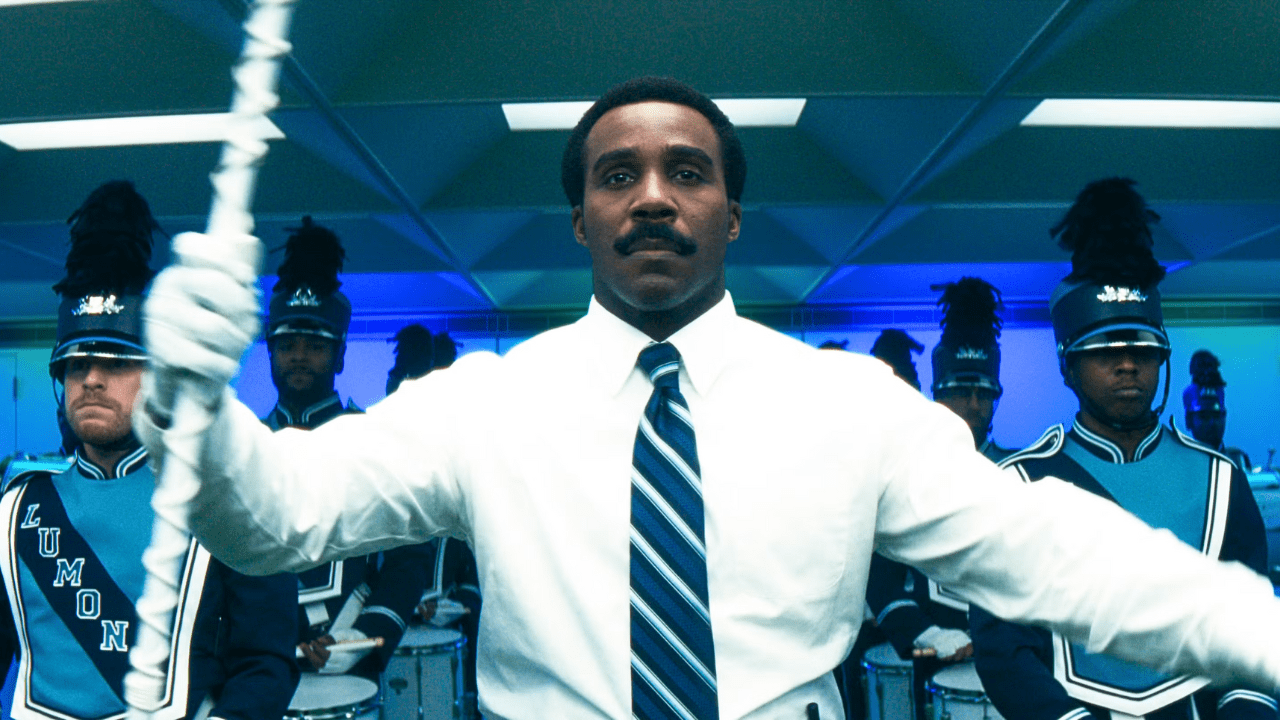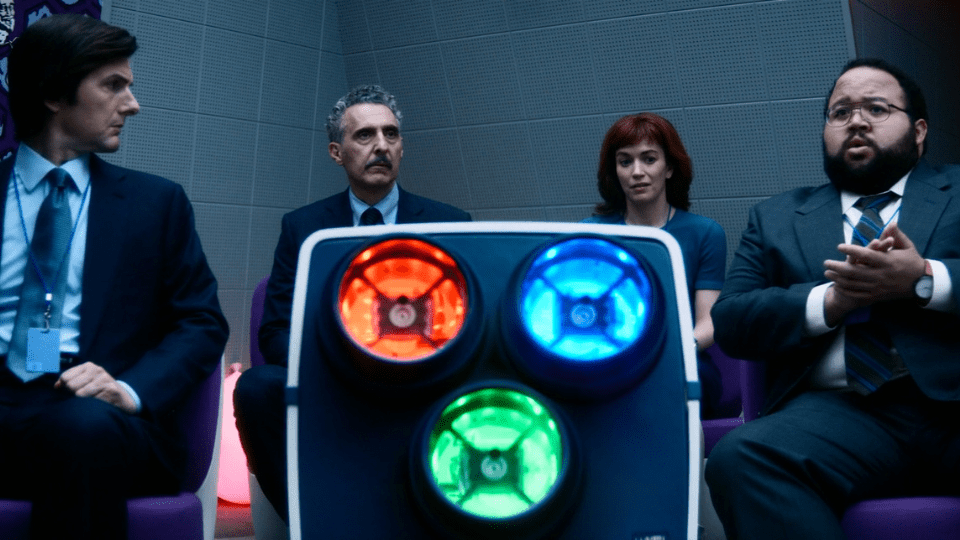
One of the most intriguing moments of early Severance Season 2 unfolds not on the Severed floor, but in the outside world, during Dylan’s surreal job interview at the Door Factory. At first glance, it seems like a humorous detour. But like all things in Severance, the scene is steeped in metaphor, social commentary, and existential dread.
In a show that dissects identity, control, and corporate dehumanization, the choice of a door factory is far from random.
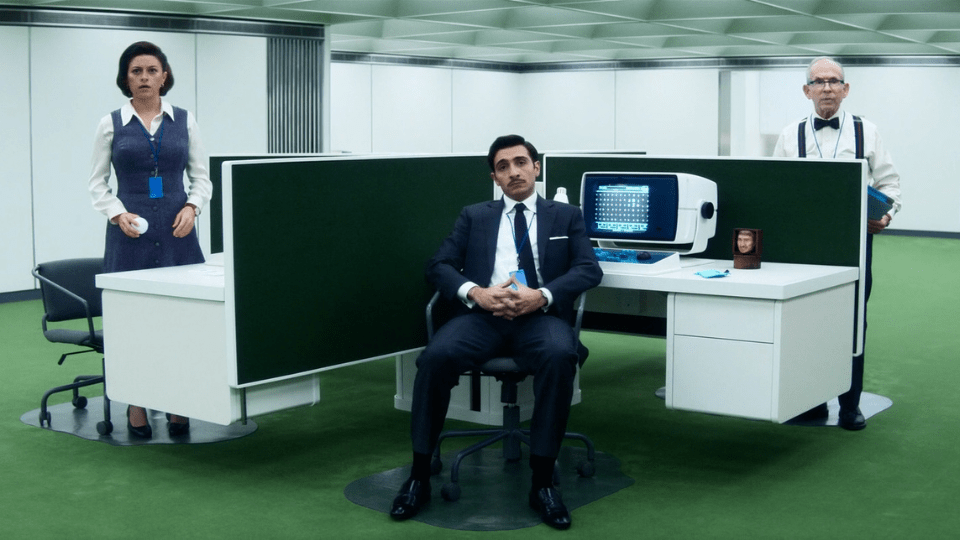
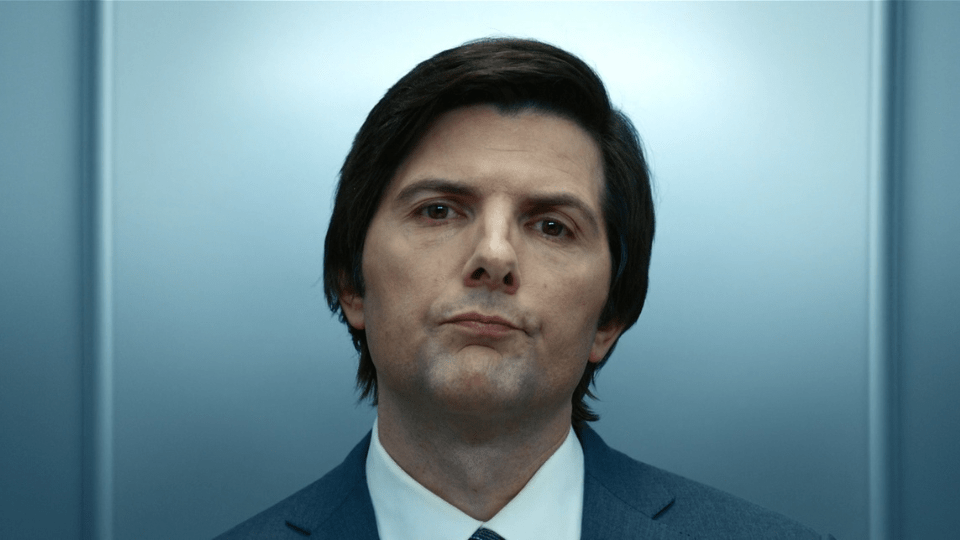
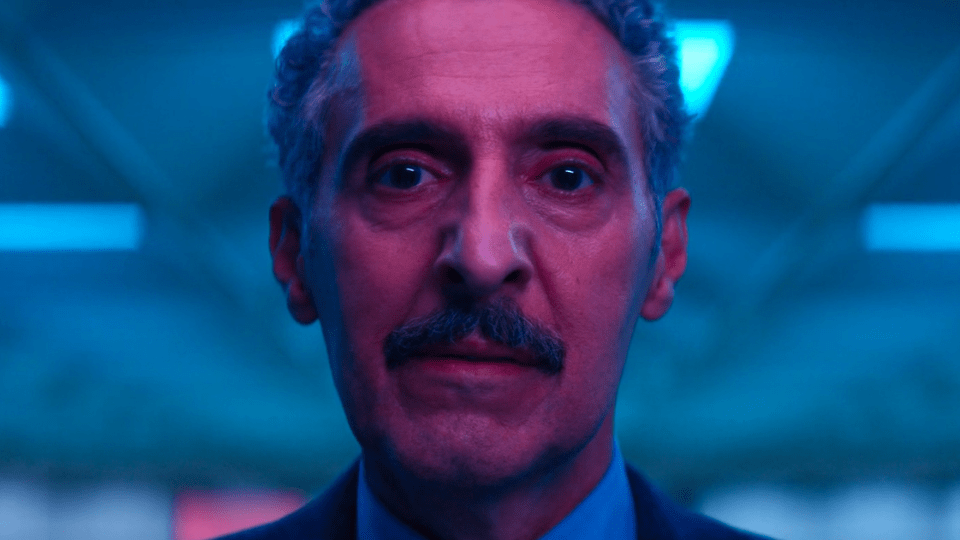
After being fired from Lumon, Dylan reenters the workforce with shaky optimism only to find himself being interviewed in an eerily symmetrical setting. The interviewer, dressed almost identically to Dylan, feels more like a doppelgänger than a hiring manager. The questions are absurd: “When did you know you wanted to work with doors?” “What kind of door would you be?” And yet, Dylan plays along, performing the role of the model candidate. That is, until he mentions his severance. The atmosphere shifts immediately. The interviewer recoils, not physically, but emotionally, as though Dylan’s severed status is a contagion. This single moment reveals how the outside world views the Severed: not with fascination, but with fear.
The Door Factory sequence serves as a biting commentary on how individuals are defined and often dismissed by their affiliations with corporate systems they had little power to control. Despite Dylan’s affability, his competence, and his uncanny mirroring of the very man interviewing him, he is rejected. His severance becomes a scarlet letter, branding him as untrustworthy or unstable. In a show about duality, here we see one of the cruelest truths: even outside of Lumon, severance doesn’t end. Its consequences follow you through every door.
In literature and myth, doors have always been potent symbols, thresholds between worlds, transitions between phases of life, or the unknown made tangible. In Severance, they’re everywhere: the elevator door between Innie and Outie, the locked doors of forbidden hallways, and now, quite literally, The Door Factory scene that turns the object into an entire world. The setting is no coincidence. Doors are portals, metaphorical and literal, between one self and another. The factory, then, becomes a liminal space, a grey zone between Dylan’s Innie and Outie identities. He’s not quite either here; he’s both.
Dylan is forced to rehearse a version of himself, tailored to expectations he can’t fully understand, in a setting where identity is transactional. The factory, like Lumon, demands transformation, just with different paperwork.
The factory is dark, industrial, almost oppressive, in stark contrast to Lumon’s sterile brightness. Yet it too feels artificial, a new layer of performance imposed on a man already split in two. Even the process of being interviewed is a kind of severance. Dylan is forced to rehearse a version of himself, tailored to expectations he can’t fully understand, in a setting where identity is transactional. The factory, like Lumon, demands transformation, just with different paperwork.
The symbolic weight of The Door Factory Severance is deepened when you learn that it stems from creator Dan Erickson’s real-life experience working at a door factory. Erickson has said that the repetitive, numbing nature of the work made him wish he could mentally “sever” - disconnect the version of himself at work from the one at home. The factory, then, is not just symbolic; it’s foundational. Erickson's own emotional distance during that job is echoed in Dylan’s emotional confusion in the scene. The absurdity of the questions, the eerie familiarity of the interviewer, and the sting of rejection all mirror a deeper truth: we’re not just our resumes or our roles. We’re fractured beings trying to maintain coherence in systems designed to commodify us. In bringing the door factory to life onscreen, Erickson turns a place of monotony into a site of narrative and philosophical revelation. What once was a personal coping mechanism becomes a powerful scene exploring autonomy, stigma, and the human longing to feel whole.
The brilliance of Severance lies in its ability to hide seismic truths in quiet moments. The scene at The Door Factory Severance isn’t a throwaway gag, it’s a richly layered exploration of identity, shame, and social control. For Dylan, it’s a painful confrontation with how others perceive him.